My story
The long way here.
I was a shy kid who couldn't hold a conversation. Sales taught me how to talk to people. Systems taught me how to scale what I learned. This is the long way I got here, told from a voice note.
Growing up
The kid who looked at the floor
At 17 I still walked around with my hands in my pockets, looking at the floor. I couldn't make eye contact or hold a conversation. At 14, a friend had to teach me how to talk to people.
Two things were always there. The internet, because I was a gamer and a computer nerd my whole life. And sales, because my parents were in direct sales from the time I was eight.
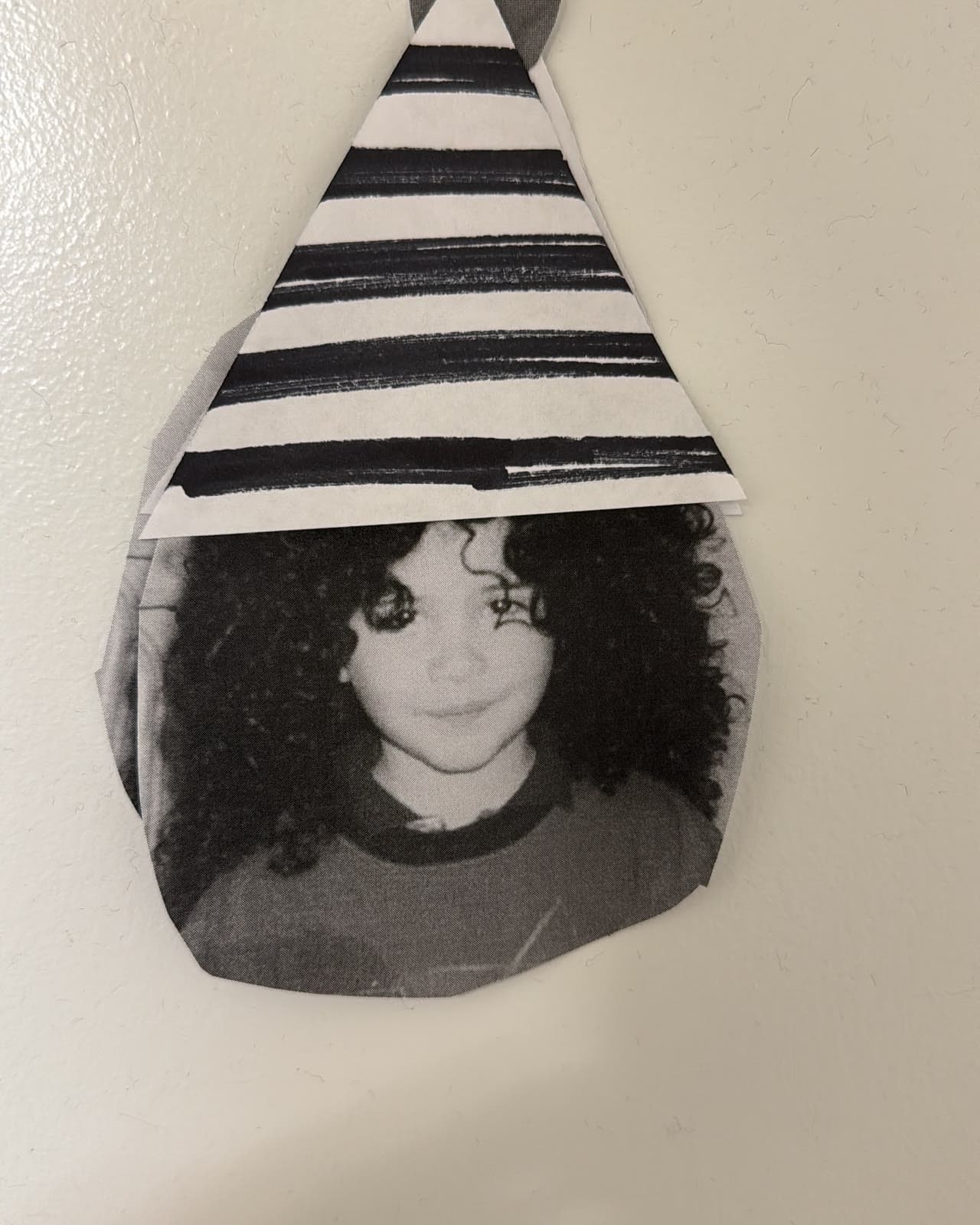
Growing up Everything I learned about sales was because I obsessed over it. This is a trainable skill. You just have to pay attention.
18
Selling cars
At 18 I was on a car lot. I learned the old playbook: the speech, the cold call scripts, the objection handling, the witty lines you only say to your manager. My favorite: I'm trying to sell you a car, not a bed.
I loved the craft. I just didn't believe in what I was selling. Door to door supplemental insurance got me off the lot, and in Miami I was on fire.
20
Top of the class, then a stop sign
An insurance company flew me to Chicago for a week of training. I already had sales experience and I wanted it so badly that I finished at the top of the class.
Back home I drove rideshare and waited for the offer. Two weeks later they called to say they couldn't hire me. At 17 I had run a stop sign. The job came with an insurance policy, and that one ticket made me a high risk employee. I cried. Then I kept driving and started looking for the next door.
20
The call center
My dad was buying a house from a man who ran health insurance call centers. I got his number and followed up every other day for three or four weeks. I had nothing else going on, so I didn't care. He called me on October 30. Enrollment opened November 1.
I was the only one there. I set up my own desk, and since there was no script, I wrote one and kept sharpening it. I closed 367 members in 48 days while training the three people I brought in.
On the phone, we don't have body language. But we can leverage tonality.
2020
Building one from scratch
When COVID hit, I pitched a family friend on a call center of our own, with the whole investment model broken down. She said yes.
I set up six desks, mounted mini PCs behind the monitors, and ran the network cable myself from the router room through the ceiling tiles to every seat. I set up the dialer and the CRM and wrote the scripts. Then I sat in a chair in the middle of the room, listened to every call, and jumped in to coach whenever someone got stuck.
Each rep averaged about 200 members a month, and we did 2,800 members in three months. The partnership went sideways after that, and I went back to work.
The next two years
Every door
I sold 5G internet door to door. I sold solar door to door. I sold health insurance at an agency an hour and a half from home. I did a lot of rideshare and food delivery.
Then remote jobs. I applied to 80 to 100 jobs a day and interviewed for five to seven a week. At one point I held three at once, sitting through paid trainings on Zoom, and I kept that up for two years.
I'd set my camera so you could see my eyes but not my mouth. I was on the call and I was present. I was also quietly taking the first sales calls for my own agency.
The agency
Selling something I believed in
A friend I met in an online group, based in the UK, was running ads and taught me basic text and email automations. I brought in the clients and we split the work. He helped me make my first internet dollar.
I started calling everyone I knew. For the first time, I identified with what I was selling.
Early voice AI
Asking the robot what went wrong
When the first voice AI platform hit the market, agencies needed a license to resell it. It cost $50, and I didn't have $50. So I found people in the community who had one and offered to set it up for their customers while they kept their margin.
The agents were rough. They'd read a phone number back as one giant number. So I started asking the agent itself: why didn't you do what I asked, and what should I change in your instructions? I pasted its answer and the old prompt into ChatGPT, rewrote it, and called again. People hyped me up for it. Looking back, it was just thinking it through.
First big client
Doubling a business in a month
My mom joined a health program that helps people reverse diabetes through nutrition, and she told them they had to meet her son. Over dinner I asked how many appointments they booked a month. Three hundred.
Their button went straight to a calendar full of disqualifying questions. I said: put a lead form in front of the calendar, then follow up by text, email and WhatsApp. I proposed a fee plus a share of the growth I created.
They went from about $20,000 a month to $40,000 in the first month and $60,000 by the third. I had never used the tools before. I learned fast that every channel has rules, and someone is always trying to block you.
2024
The year in four chapters
At the end of 2024 I posted the whole year as four chapters.
New beginnings. Setbacks lead to focus. Focus leads to rewards. Let the rewards fuel your focus and watch what happens.
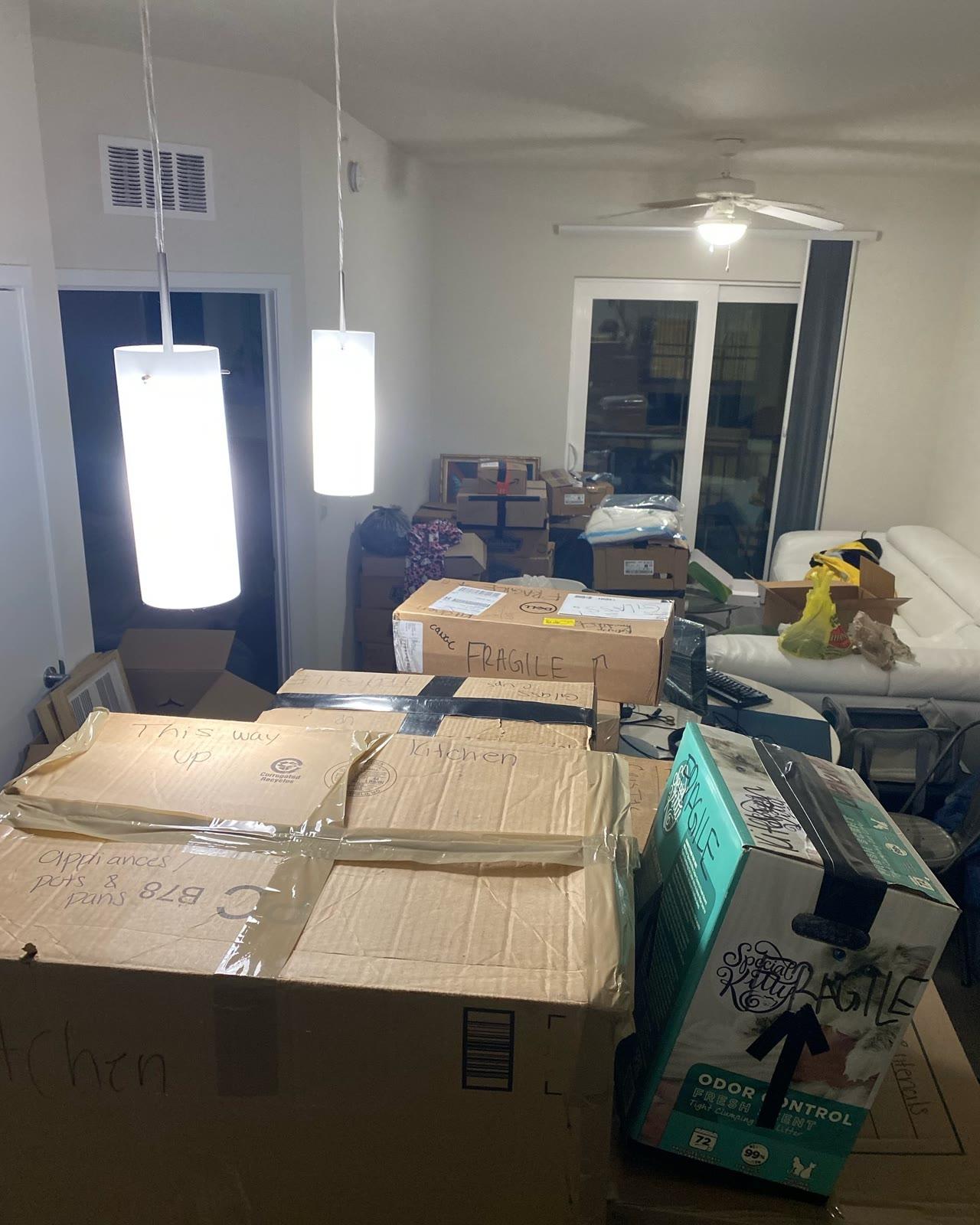
New beginnings, 2024 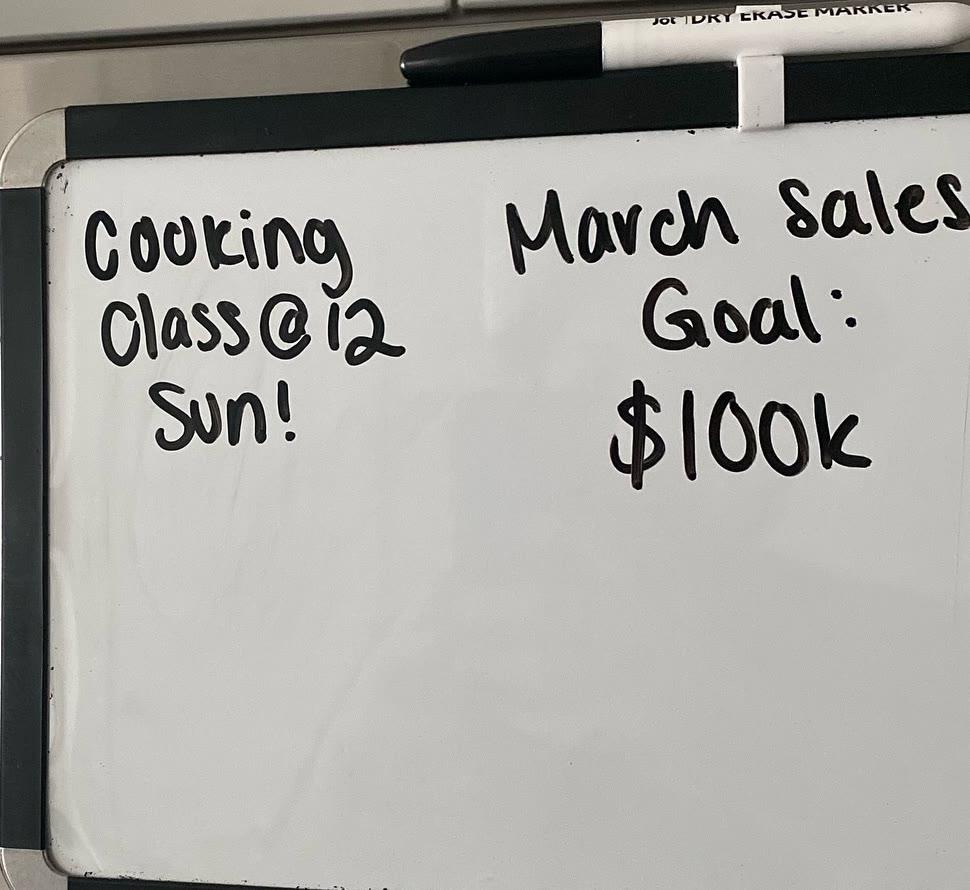
The March goal, 2024 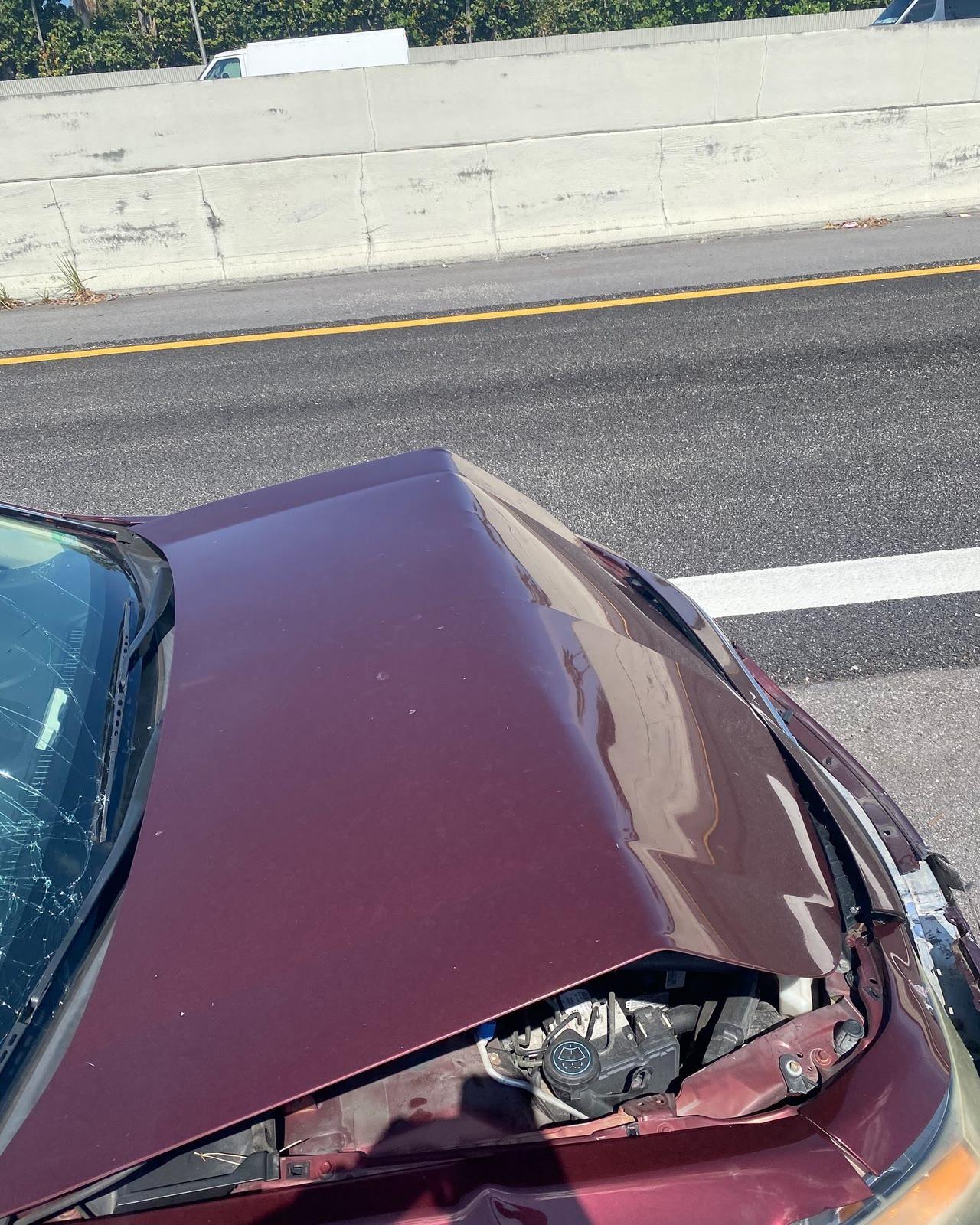
The crash, 2024 
Studio website, 2024 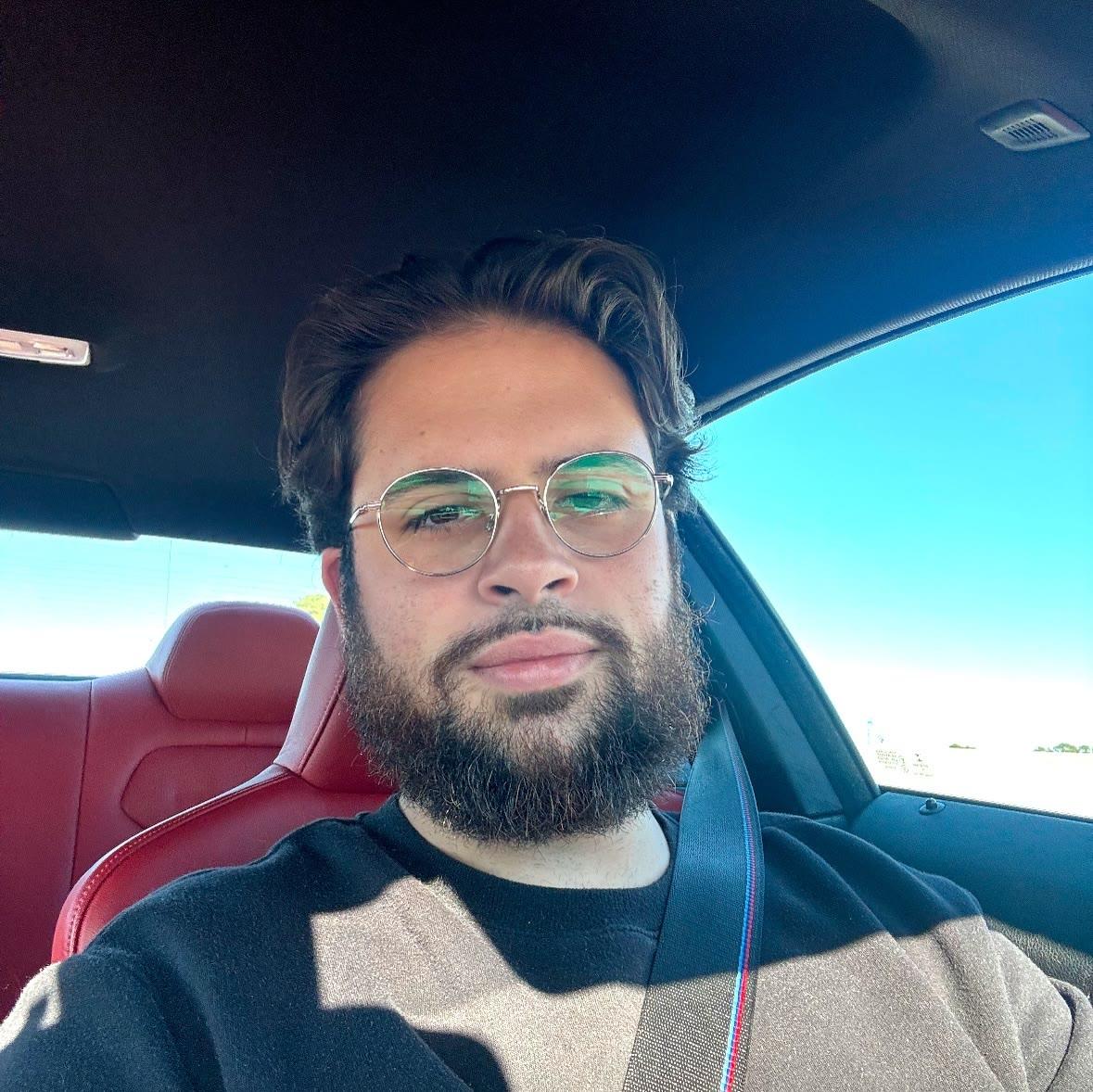
The M4, 2024 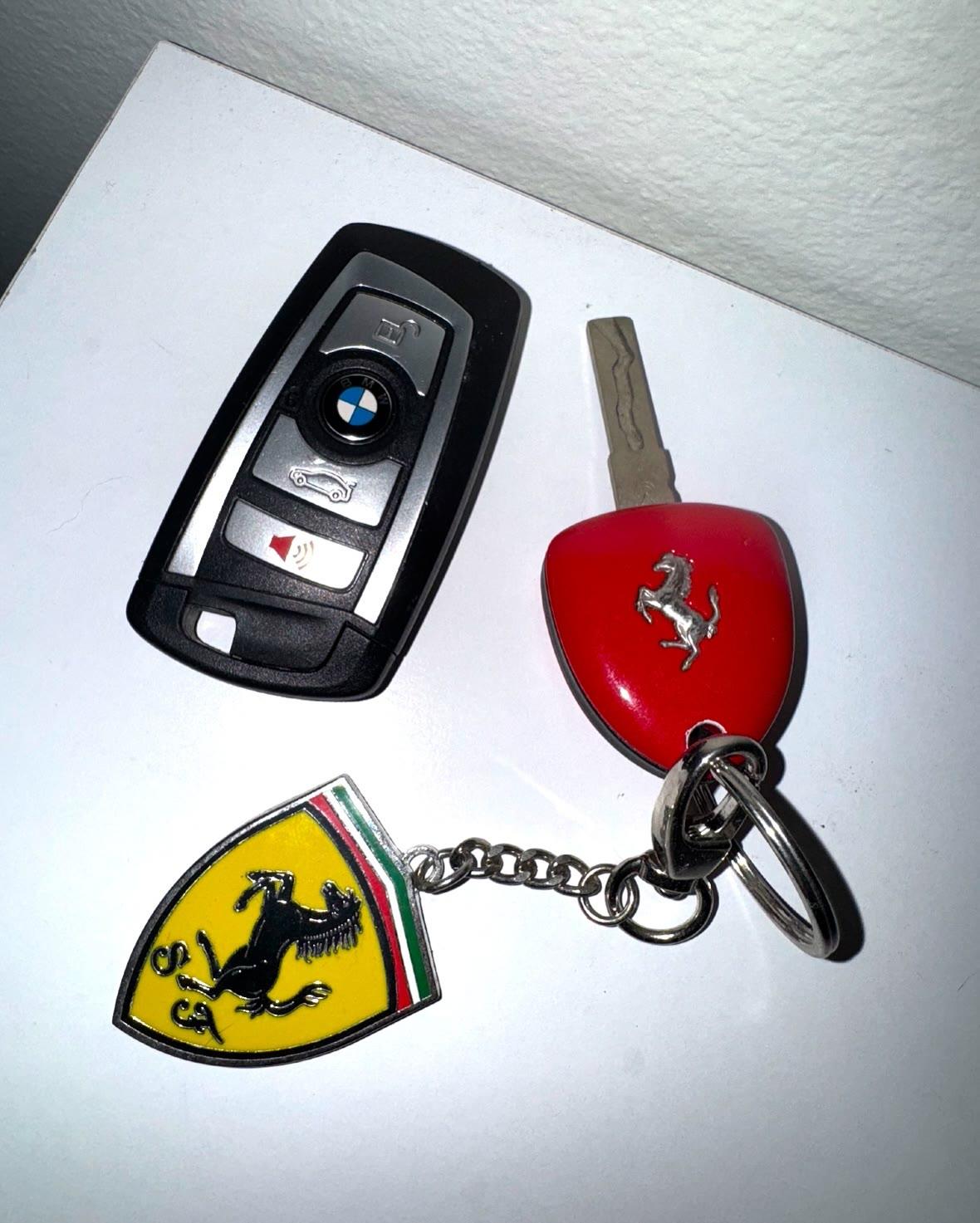
The keys, 2024
2024
Taking on too much
Then I took on more than I could chew. Clients wanted everything automated, and I was too agreeable to say not yet. Some projects didn't make the cut, even though I put in every hour.
I don't regret it. The technology got better every year, and today I work with a team stacked with people smarter than me.
Somebody has to pay the toll on pioneering and figuring out if it works or not.
Now
I don't sell anymore
People are leverage. Systems are leverage. You have to learn to lead both, the same way you learn leadership, sales and how to connect with people.
So I don't pitch. I ask two questions. Can this help you? And can we put numbers on it so it still makes sense even if we get parts wrong? If yes, we build. What I build isn't another tool. It's your workforce.

Now, 2026 Not knowing how to run ads today is like not knowing how to put an ad in the newspaper back in the day.
I get to do what I've always wanted, full time. Some days are better than others. It's a roller coaster, and I'm grateful for the ride.